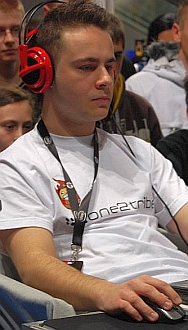
The esports betting industry faces an unprecedented challenge as match-fixing scandals continue to threaten the integrity of competitive League of Legends. Recent high-profile sanctioning cases have exposed vulnerabilities in player conduct protocols and betting oversight mechanisms. The case of nifee, a professional player who received a four-year ban from the Esports Integrity Commission for match manipulation, serves as a watershed moment for the entire ecosystem. This incident underscores the critical need for enhanced detection systems, stricter player accountability measures, and more sophisticated monitoring of suspicious betting patterns that signal potential corruption.
The nifee Case: A Turning Point in Esports Integrity
The ESIC’s decision to impose a four-year ban on nifee represents one of the most significant disciplinary actions in recent League of Legends history. The sanction followed an extensive investigation that uncovered evidence of match manipulation, a violation that strikes at the heart of competitive integrity. Match-fixing in esports differs from traditional sports in several critical ways, particularly given the direct connection between professional outcomes and betting markets worldwide. The nifee case demonstrated that even established players with significant professional credentials could become involved in corruption schemes, challenging assumptions that reputation alone serves as a deterrent against misconduct.
The investigation revealed sophisticated coordination between the player and betting syndicates that exploited specific in-game moments to influence match outcomes in ways that benefited predetermined betting positions. This level of coordination highlights how match-fixing in esports has evolved beyond simple throwing or intentional losses. Modern corruption schemes involve detailed planning around specific game mechanics, draft phases, and objective control patterns that can be monetized through specialized betting markets offered by international operators.
Detecting Suspicious Betting Patterns in League of Legends Markets

Advanced Monitoring Technologies and Red Flags
The International Betting Integrity Association reported fifteen suspicious-betting alerts during a recent quarterly period, demonstrating the scale of potential corruption attempts across esports betting markets. These alerts represent instances where betting behavior deviated significantly from established patterns, including unusual wagering volumes on specific outcomes, dramatic odds movements preceding match announcements, or concentrated betting from particular geographic regions on matches involving known corruption targets.
Sophisticated detection systems now monitor multiple variables simultaneously across League of Legends betting markets. These systems track betting volume spikes on specific map outcomes, unusual interest in particular player performances, and coordinated wagering patterns that suggest insider knowledge. The algorithms underlying these detection mechanisms have become increasingly refined, capable of distinguishing between legitimate sharp bettors and coordinated manipulation attempts. When suspicious patterns emerge, betting operators now implement immediate protocols including odds freezing, market suspension, and mandatory reporting to integrity authorities.
The Role of Betting Operators in Corruption Prevention
Major international betting providers have substantially increased their compliance infrastructure in response to recent match-fixing cases. These operators now employ dedicated integrity teams that work alongside esports organizations and regulatory bodies to identify and report suspicious activity. The collaboration between betting companies and integrity authorities has become essential, as operators possess real-time access to betting data that can reveal corruption patterns invisible to other stakeholders.
Operators have implemented strict customer verification protocols, enhanced geolocation tracking, and sophisticated account behavior analysis to identify potential bad actors. Players and team staff members face restrictions on betting accounts in many jurisdictions, with some operators implementing outright bans on esports professionals betting on competitive matches. These measures reflect recognition that insider access creates asymmetric information advantages that cannot be adequately managed through standard responsible gambling tools.
ESIC Sanctioning Framework and Industry Standards
The Esports Integrity Commission has evolved into the primary enforcement body for match-fixing violations in professional League of Legends, establishing precedents through cases like nifee that inform ongoing disciplinary decisions. The ESIC’s four-year ban represents the upper range of sanctions available, reserved for cases involving clear evidence of intentional match manipulation coordinated with external betting interests. This framework distinguishes between different categories of integrity violations, with match-fixing representing the most severe offense warranting extended removal from professional competition.
The sanctioning process involves extensive investigation periods, often lasting several months, during which ESIC officials examine betting market data, communication records, in-game performance analytics, and testimony from relevant parties. The transparency of this process has improved considerably, with public disclosure of investigation findings helping to educate the broader esports community about corruption indicators. Teams and organizations now receive detailed guidance on conduct expectations, with clear articulation of behaviors that trigger investigation and potential sanctions.
Betting Corruption Detection: Strategies for Informed Bettors
Recognizing Manipulation Indicators
International bettors interested in League of Legends markets should develop awareness of indicators that suggest potential match-fixing activity. Sudden changes in team composition or player substitutions announced immediately before matches, particularly when involving established players, warrant heightened scrutiny. Unusual in-game decision-making that contradicts established team strategies or player tendencies can signal external manipulation, though distinguishing between poor performance and intentional throwing requires contextual knowledge.
Odds movements that appear disconnected from team news, roster changes, or competitive context often precede suspicious match outcomes. When significant money enters the market at unfavorable odds relative to perceived match likelihood, this frequently indicates insider knowledge or coordination. Bettors should avoid placing wagers during periods when odds appear artificially distorted or when betting volumes spike dramatically on specific outcomes without corresponding news justification.
Market Discipline and Responsible Participation
Legitimate esports bettors should maintain discipline by avoiding markets that display characteristics associated with corruption. This includes declining to wager on matches involving players with previous integrity violations, regardless of odds attractiveness. Bettors should also exercise caution when encountering unregulated betting platforms that lack transparent integrity protocols or fail to cooperate with established monitoring organizations.
The professionalization of esports betting has created legitimate opportunities for informed analysis and strategic wagering. However, this legitimacy depends entirely on market integrity. Bettors who participate in corrupted markets inadvertently subsidize criminal activity and undermine the competitive ecosystem. Supporting regulated operators that maintain rigorous integrity standards represents the most effective way individual bettors can contribute to ecosystem health.
Organizational Responses and Future Prevention Measures
League of Legends organizations have substantially strengthened their internal integrity protocols following high-profile match-fixing cases. Teams now implement comprehensive player conduct policies that explicitly address betting restrictions, communication monitoring, and financial transparency. Many organizations require players to disclose unusual financial circumstances or outside contacts that might create corruption vulnerability.
Riot Games, as the primary competition organizer, has expanded its integrity infrastructure to include dedicated investigators, enhanced communication monitoring capabilities, and direct integration with betting market surveillance systems. The organization has also invested in player education programs that emphasize the severe consequences of match-fixing involvement, including permanent professional bans and potential legal prosecution in jurisdictions with specific esports betting regulations.
International collaboration between regulatory bodies, betting operators, and esports organizations represents the most promising approach to preventing future corruption. Information sharing about suspected bad actors, standardized investigation protocols, and coordinated sanctioning decisions create deterrents that individual organizations cannot achieve independently. The nifee case demonstrated that even high-profile players cannot escape accountability when comprehensive evidence emerges, sending important signals about enforcement credibility.
As esports betting continues expanding internationally, the integrity infrastructure must evolve correspondingly. Emerging markets with less established regulatory frameworks present particular vulnerability to corruption schemes. Supporting capacity building in these regions, promoting adoption of international standards, and facilitating knowledge transfer from established markets will help prevent match-fixing from taking root in newer competitive ecosystems.
Responsible Gambling and Integrity Considerations
Participation in esports betting should always occur within frameworks that prioritize personal financial responsibility and ecosystem integrity. Bettors should establish strict budgets for wagering activity, never risking funds needed for essential expenses or attempting to recover losses through increased betting. Reputable operators provide tools including deposit limits, time-out periods, and self-exclusion options that enable responsible participation.
Beyond individual responsibility, bettors should recognize their role in supporting market integrity. Reporting suspicious betting activity to relevant authorities, avoiding unregulated platforms, and refusing to engage with corrupt matches collectively strengthen the ecosystem. If you find yourself struggling with gambling-related problems, organizations such as the National Council on Problem Gambling and similar bodies in your jurisdiction offer confidential support resources. Esports betting should enhance entertainment value without creating financial or psychological harm. Integrity in competitive esports ultimately depends on collective commitment from all stakeholders to prioritize fair competition over short-term financial gain.

Written by